


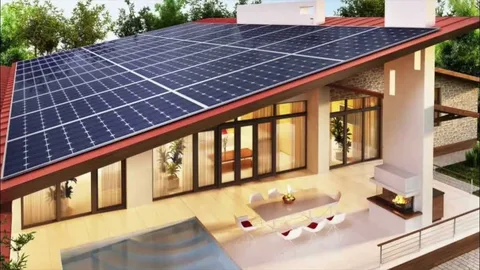
As energy demands rise and environmental concerns become more pressing, homeowners are increasingly exploring alternative energy solutions. One of the most popular options is a home solar power system. But how do they really compare to traditional electricity sources? In this article, we provide a detailed comparison to help you make an informed decision.
Understanding Home Solar Power Systems
Home solar power systems harness energy directly from the sun using solar panels. This energy is then converted into electricity for household use. These systems can be connected to the grid (grid-tied) or operate independently (off-grid), offering flexibility depending on your energy needs.
Benefits of Home Solar Power Systems
- Lower Electricity Bills: Once installed, solar panels can significantly reduce or even eliminate monthly electricity expenses.
- Environmentally Friendly: Solar energy is renewable and produces zero carbon emissions, contributing to a cleaner environment.
- Energy Independence: Homeowners become less dependent on utility companies, providing protection against rising energy costs.
Drawbacks of Home Solar Power Systems
- High Initial Costs: Installation can be expensive, though tax incentives and rebates can help offset the cost.
- Weather Dependency: Solar panels generate less power on cloudy days or during nighttime.
- Maintenance: Panels require occasional cleaning and inverter maintenance.
Understanding Traditional Electricity
Traditional electricity is typically generated from fossil fuels, nuclear power, or hydropower plants and delivered through the power grid to homes. While it has been the standard for decades, it comes with its own advantages and disadvantages.
Benefits of Traditional Electricity
- Reliable and Consistent: Electricity is available 24/7, regardless of weather or time of day.
- Low Initial Cost for Setup: Connecting to the grid requires minimal upfront investment compared to installing solar panels.
- Easily Scalable: Adding new appliances or expanding a home’s electrical needs does not usually require major adjustments.
Drawbacks of Traditional Electricity
- Rising Energy Costs: Prices can fluctuate and often increase over time, leading to higher monthly bills.
- Environmental Impact: Many traditional electricity sources emit greenhouse gases, contributing to climate change.
- Dependence on Utility Companies: Homeowners are subject to outages, rate hikes, and utility regulations.
Home Solar Power Systems vs. Traditional Electricity: Key Comparisons
| Feature | Home Solar Power Systems | Traditional Electricity |
| Cost Over Time | Higher upfront cost but lower long-term bills | Lower initial cost but ongoing monthly bills |
| Environmental Impact | Renewable and clean energy | Often relies on fossil fuels; higher emissions |
| Reliability | Dependent on weather; may need batteries | Consistent 24/7 supply |
| Energy Independence | High, especially with storage | Low; reliant on utilities |
| Maintenance | Low to moderate | Minimal for grid connection, but repairs handled by utility |
Conclusion
Choosing between home solar power systems vs. traditional electricity depends on your priorities. If reducing environmental impact and long-term energy costs are important, solar power is a strong contender. On the other hand, if reliability and minimal upfront investment are your main concerns, traditional electricity remains a practical choice.
Ultimately, many homeowners are opting for hybrid solutions—using solar panels for daily needs while staying connected to the grid for backup—to enjoy the best of both worlds. By understanding the strengths and limitations of each system, you can make a decision that fits your home, lifestyle, and budget.
